Dynamic Visuals at Scale
Generate images and content on demand from live data, rules, and assets.
LiquiFire OS 6 brings the full 3D scene into the LiquiFire Chain, connecting products, data, and business logic to create richer interactive experiences at scale.
Drag to rotate
Placeholder model. The LiquiFire OS 6 numeral asset is pending.
LiquiFire OS moves from producing individual images to driving complete, composable 3D scenes—every part, dimension, and material addressable in the same Chain that already runs your imaging.
Swap a part, change a material, recolor the set—everything stays connected, and every variant renders from one live scene, not a folder of static models.
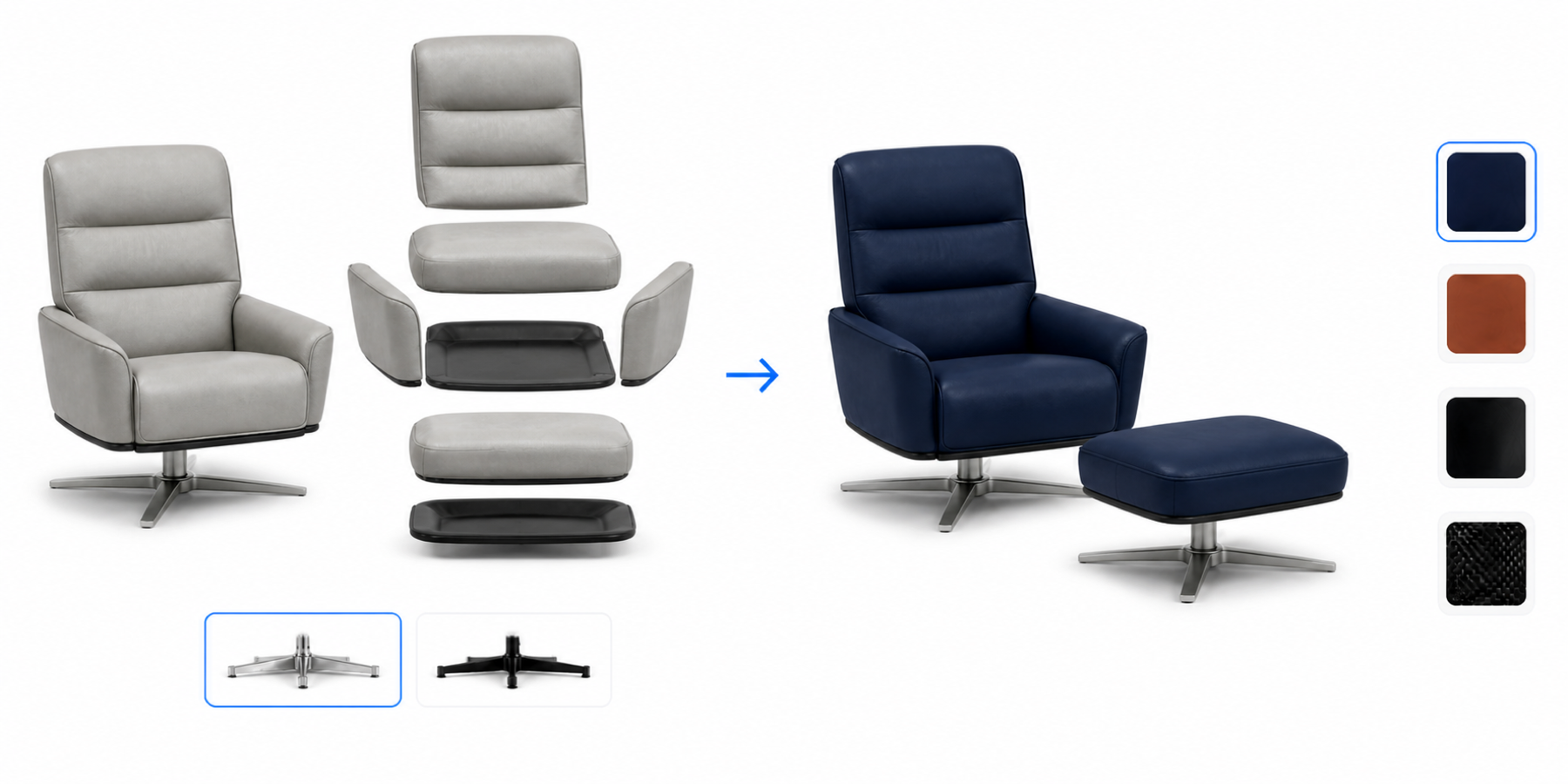
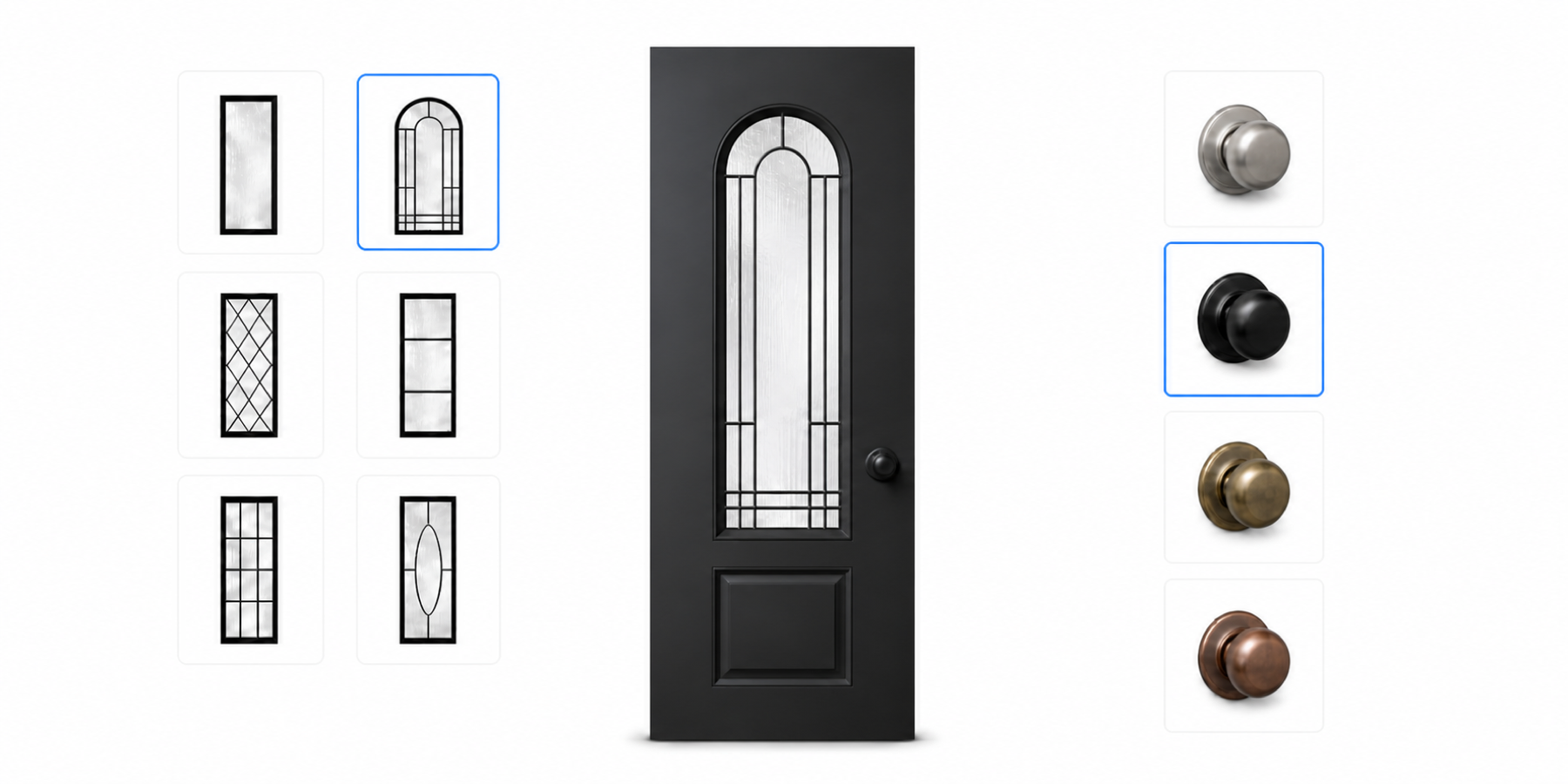
A window insert, a fence finial, a sofa button—each becomes a reusable Ornament you compose into any product once, instead of rebuilding it model by model. The complexity lives in the library; the scene stays clean.
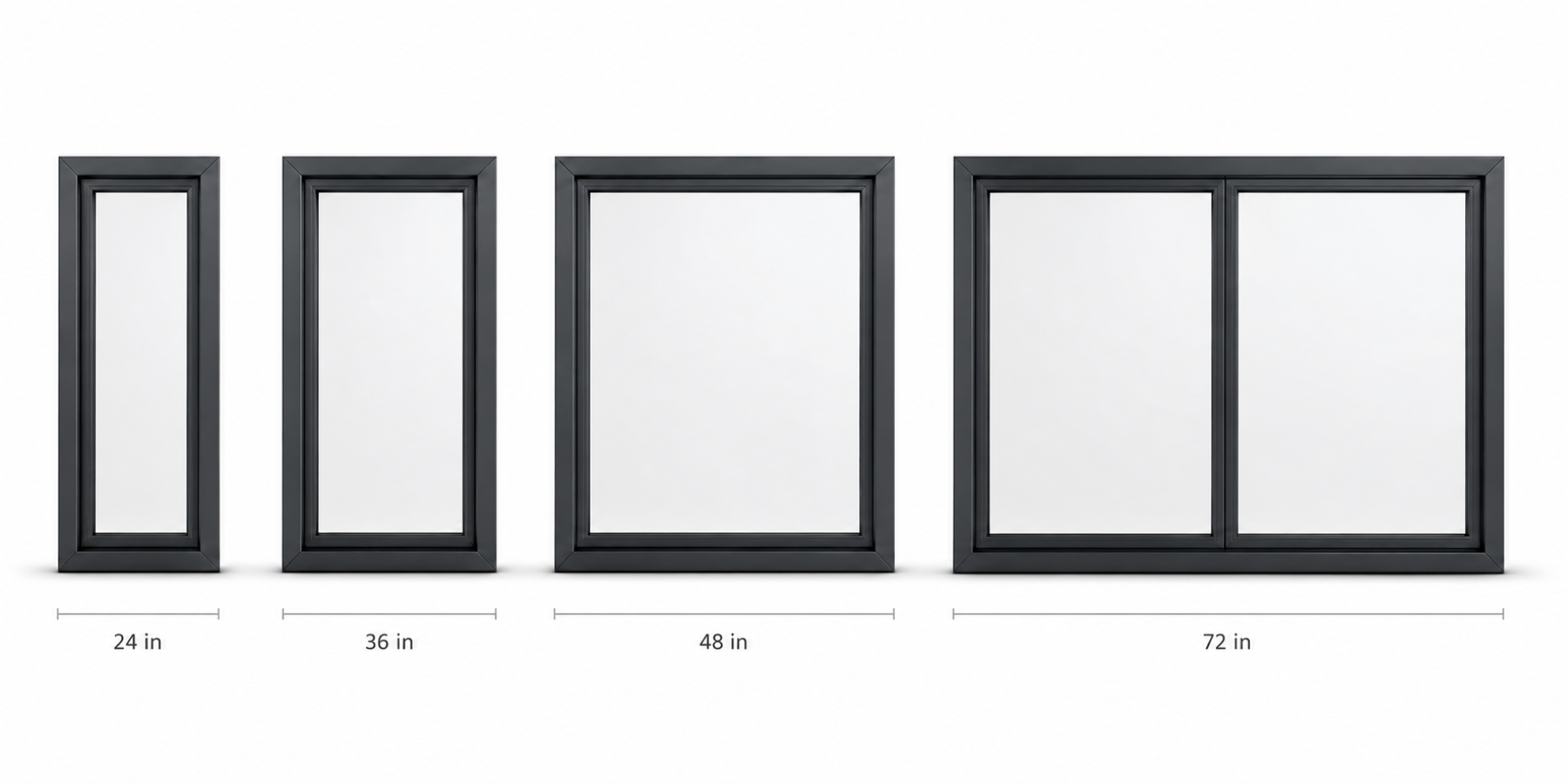
Drive any dimension and the model rebuilds itself—geometry, materials, and every output in the same request. A three-panel window, a forty-foot fence run, a made-to-measure cabinet: one parametric source answers every variant, with nothing re-modeled by hand.
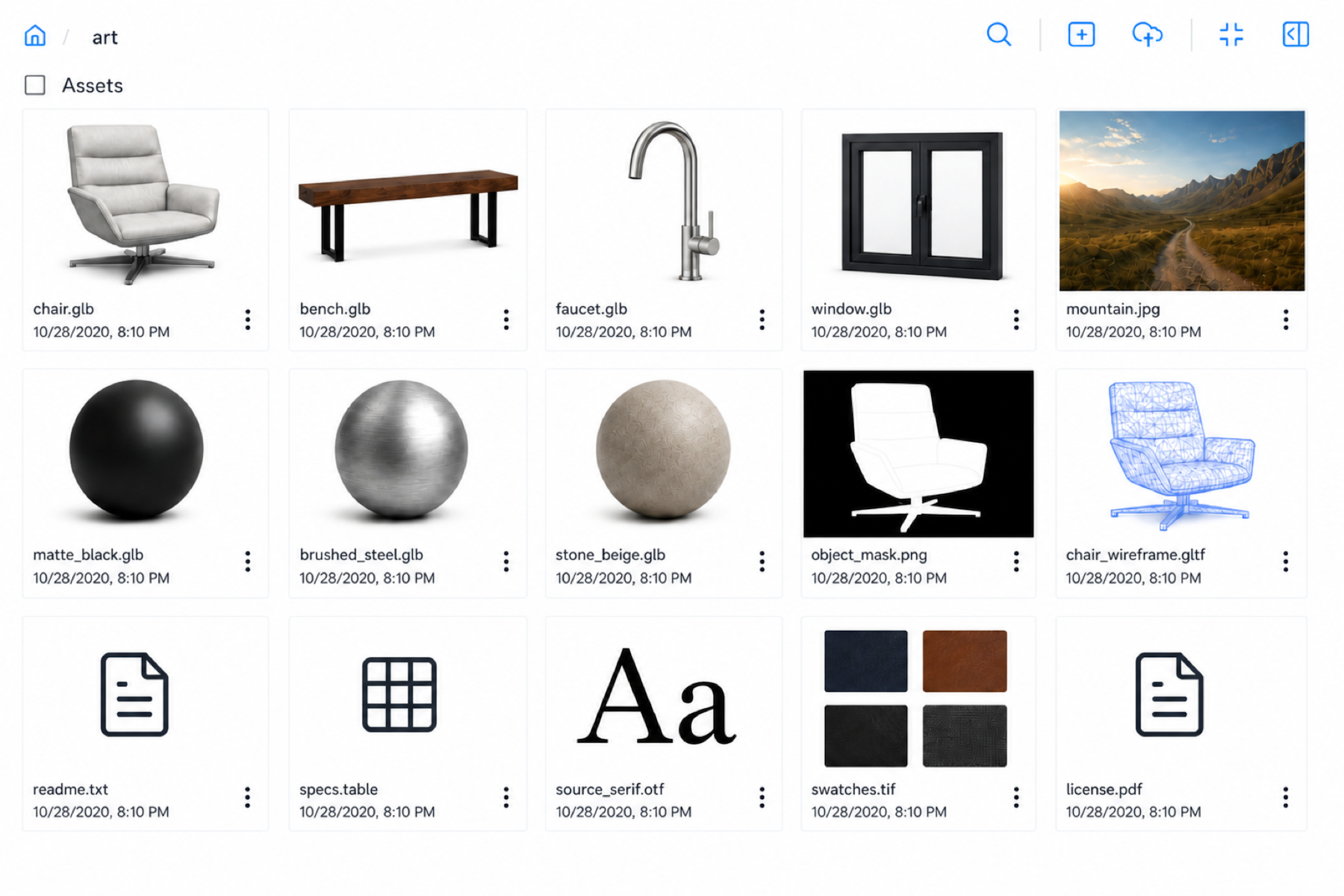
Models, materials, images, fonts, definitions—governed in shared libraries so the same trusted assets drive every product, team, and channel. Update an asset once and everything that references it updates too.
LiquiFire OS has helped leading enterprises connect assets and data to deliver the right visual experience, every time.
Generate images and content on demand from live data, rules, and assets.
Integrates with ERP, PIM, DAM, PLM, CPQ, ecommerce, and more.
Deliver the right experience for the right customer, in the right context.
Power configurators, 3D viewers, AR, and other rich product experiences.
LiquiFire Chains let you build once and use everywhere.
Advanced automation and AI-assisted operations improve both quality and speed.
Cloud, on-premises, appliance, or air-gapped. You choose.
Security, scalability, governance, and reliability are built in.
LiquiFire OS 6 does not leave the existing platform behind. It builds on the same Chain language, integration model, and deployment flexibility already in production.