Not an AI tool.
An AI gateway
built into the chain.

LiquiFire OS routes AI operations through the same chain syntax as every other image command. Detection, generation, extraction, and upscaling compose with crop, resize, colorize, and deliver. One integration surface. One audit log. No separate AI pipeline to maintain.

Native AI executes inside the chain, not alongside it — same syntax, same integration surface as every other operation
Composable detection, generation, extraction, and analysis chain with crop, resize, colorize, and deliver in a single request
Configurable underlying model is a chain configuration, not a development decision — swap providers without changing chain logic
Auditable every chain execution logged — inputs, outputs, and routing decisions available for audit across all deployment models

AI as infrastructure, not integration.

Most AI image capabilities arrive as standalone APIs, each requiring its own authentication, its own response schema, and its own place in a pipeline that grows more fragile with every service added. LiquiFire OS takes a different approach.

AI capabilities are expressed as chain commands, identical in syntax to every other operation: cropping, colorizing, resizing, generating output for web or print. The chain executes in sequence, and the AI step is just another step. Results from one step feed directly into the next, so detection, generation, and delivery are a single composed request, not three separate integrations.

The platform routes each command to the appropriate model. Different operations use different models, and the model behind a command can be configured or swapped without changing chain syntax. For organizations with model preferences or compliance constraints, the routing layer accommodates both.

For developers, one integration surface for every AI task the business will ever need. For creative and content teams, AI-powered retouching, background generation, and auto-cropping available in the same workflow as every other image operation. For the business, new AI capability without a new project, and the measurable output shows up in the metrics that matter: conversion, return rates, and time to publish.

When an AI step encounters an error or produces an unexpected result, behavior is configurable per step: skip and continue, substitute a fallback value, or surface an error to the calling system. All chain executions, including AI steps, are logged. Inputs, outputs, and routing decisions are available for audit.

Driven by demand. Detection, generation, extraction, analysis, and more. If you need a specific operation, chances are it is already available.
1 Integration surface, regardless of which AI task you add next
0 Additional pipelines to maintain alongside your existing infrastructure
A selection of what the chain can do.

This is only a small selection of integrated AI capabilities, spanning generation, detection, extraction, and moderation. We expand the list based on what customers are building. For anything not listed here, tell us what you are building.

DETECTION

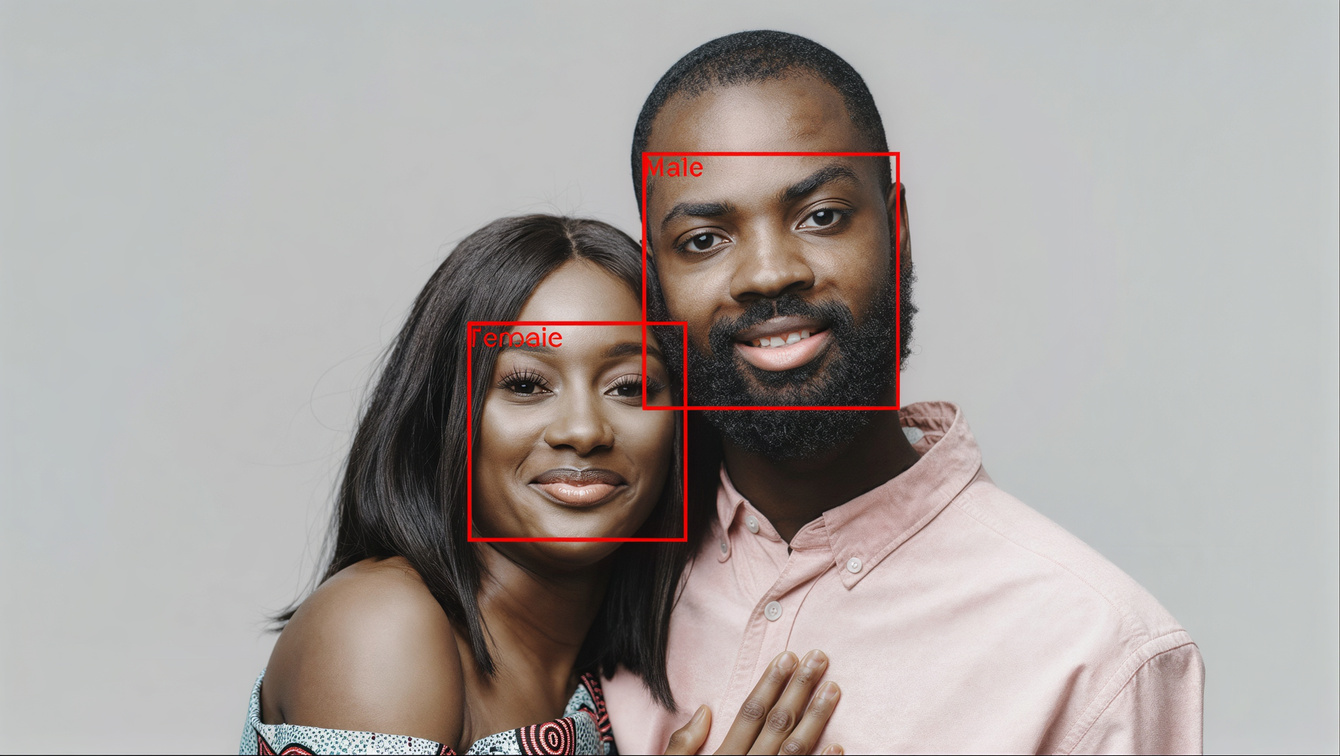
Face and gender detection

Locate faces within an image and derive demographic signals for downstream routing. Use to enforce safe-crop boundaries, trigger presentation rules, or gate downstream operations to relevant subjects only.

objectdetect=object[face],gender[true]
DETECTION

Logo detection

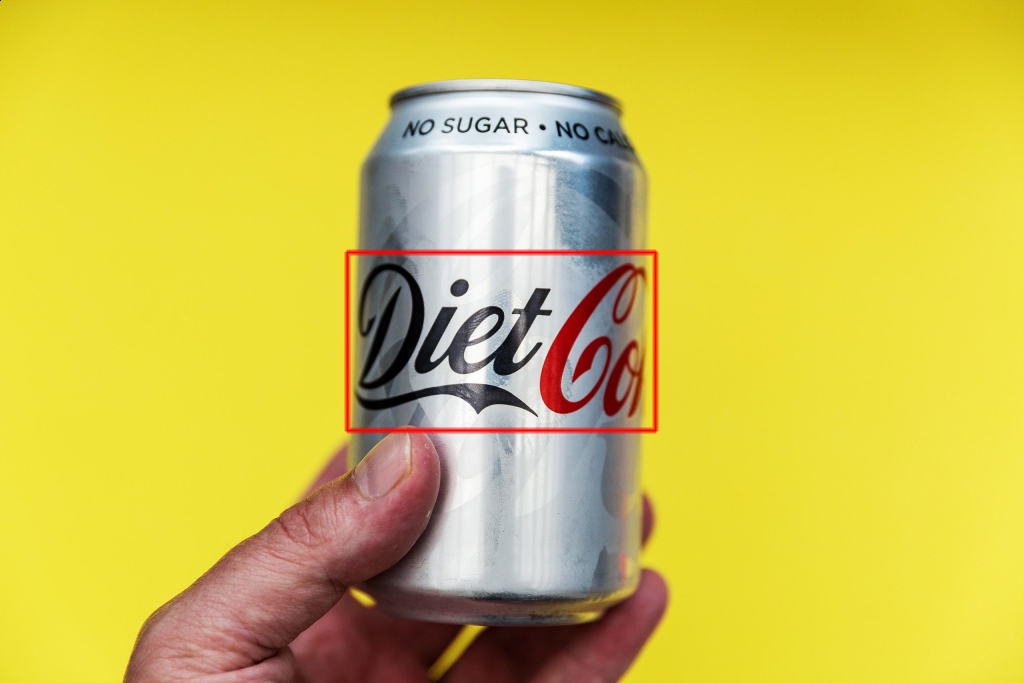
Detect the presence and position of known logos within an image. Flag images that expose competitor marks, verify co-branding placement before publication, or route assets for review based on detected brand presence.

objectdetect=object[logo],flag[competitor]
UNDERSTANDING

Image description

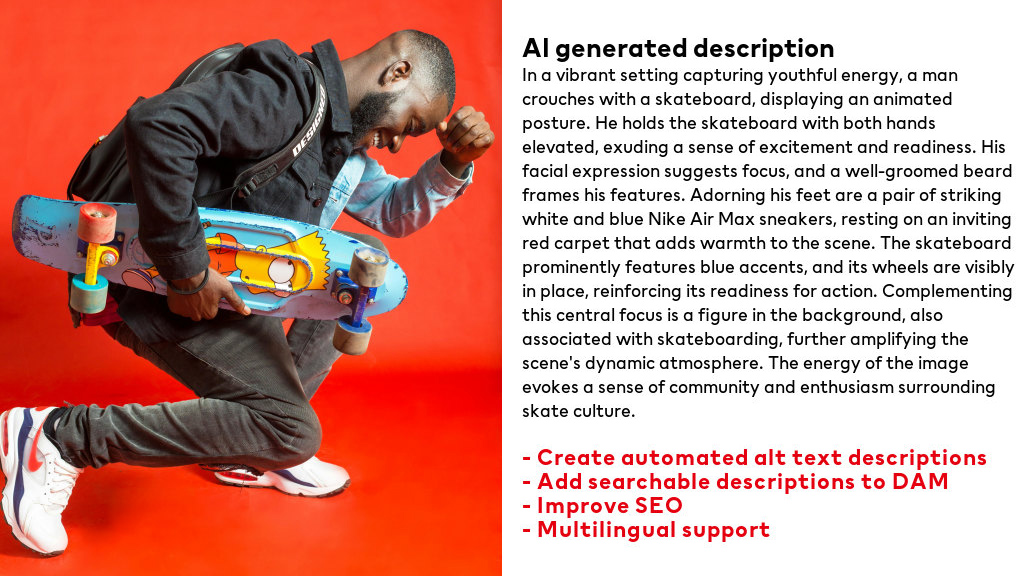
Generate natural language descriptions of image contents. Output is returned as chain metadata for downstream use: populate alt text programmatically, seed search indexes, or pass context to subsequent AI steps in the same chain.

describe=detail[standard],output[alt]
EXTRACTION

Text and data extraction

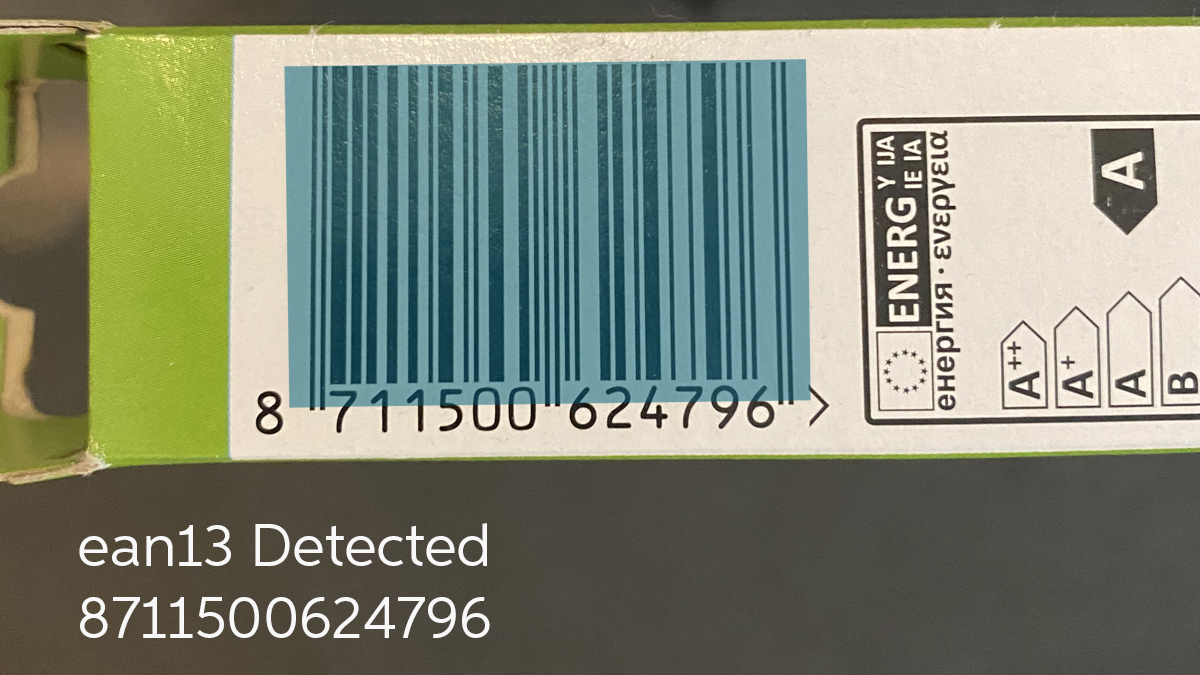
Extract machine-readable text from images, labels, documents, and product photography. Returns structured output that feeds downstream chain steps or external systems. Extracted data can be matched against GS1 product records, used as a search query against an external catalog, or passed directly into a PIM or ERP as a structured update.

ocr=region[label],output[json]
Bag with the model removed
Bag with model, before removal
Before After
COMPOSITION

Object removal

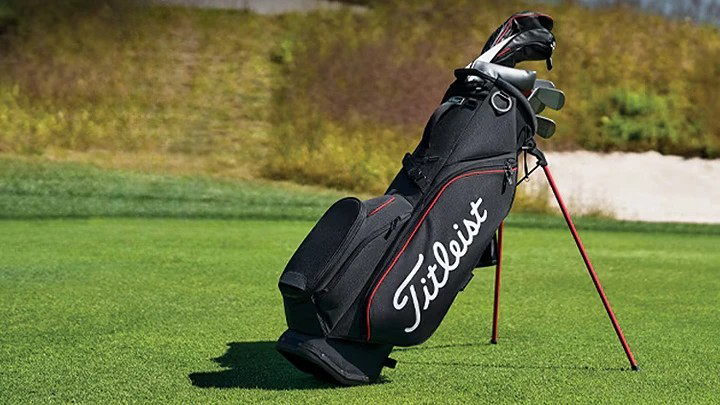
Remove unwanted elements from an image and reconstruct the affected region. Use to clean product photography of props, mannequins, or background intrusions without sending assets to a retouching workflow. The result feeds directly into subsequent chain steps.

objectremove=target[mannequin],inpaint[true]
Original Upscaled
ENHANCEMENT

Image upscale

Increase the resolution of an image while preserving or recovering fine detail. Bring legacy or low-resolution assets up to print or high-DPI display standards without re-shooting. Upscaling runs in the chain and the result is available to every subsequent step.

upscale=scale[2x],detail[high]

This is only a small selection of integrated AI capabilities, spanning generation, detection, extraction, and moderation. We expand the list based on what customers are building. For anything not listed here, tell us what you are building.

Same chain. Different use case. Different provider.

LiquiFire OS operates as a routing layer between the chain command and the underlying AI service. The chain syntax does not change when the service behind a command changes. Developers write a chain once and configure which provider handles each task independently.

This matters for pipelines with real redundancy requirements. If a service becomes unavailable, a fallback can be substituted at the configuration level, without touching chain logic or redeploying code. Teams evaluating two approaches for the same task run them against the same chain in parallel, with no integration changes between tests.

  • Provider selection is a chain configuration, not a development decision.
  • Fallback routing and retries are managed within the chain execution environment.
  • Response normalization is handled by LiquiFire. Application code handles one schema, always.
  • AI step outputs are cacheable under the same CDN-native caching rules as all other chain outputs. Deterministic steps cache on first render; generative steps are configurable.
  • All chain executions are logged. Inputs, outputs, and routing decisions are available for audit.
  • For air-gapped deployments, AI capabilities operate entirely within the secured environment with no external data egress.
  • Need a service not yet supported? Let us know what you are building.

The output that goes beyond the image.

AI capabilities in the chain produce data as well as visuals. That data flows into the downstream systems your teams already operate, reducing the manual work between image production and business outcome.

Enrich your DAM automatically

Descriptions, extracted text, detected objects, and alt attributes are written to your DAM at ingest. The same step is locale-aware: English, French, German, and Japanese equivalents generate in the same request. Assets arrive searchable, tagged, and ready for publication without manual intervention at any market.

Feed ERP and PIM with real visual data

Specifications, identifiers, and label data extracted from product images update ERP and PIM records in the same chain execution that processes the image. No separate data entry pipeline, no reconciliation step. The record reflects what the image actually shows, not what was manually keyed.

Eliminate the variant production backlog

Background generation, object removal, auto-crop, and placement run as chain steps triggered programmatically at approval or publication. One source asset produces every channel variant — square, portrait, studio, lifestyle, regional — in a single chain call. The production queue that previously took days compresses to the time it takes to render.

Reduce cost across the visual supply chain

Retouching volume sent to external studios falls when object removal and generative backgrounds run in the chain. Re-shoot costs fall when upscaling returns legacy assets to production quality. Manual sizing across channel variants is replaced by auto-crop. Each of these is a fixed cost converted to one that scales with actual output volume.

AI tools multiplying.
Pipelines fragmenting.
LiquiFire Chains fixes both.

LiquiFire OS consolidates every AI operation into the chain. One integration, one syntax, one place to audit. We work with teams at any stage of that transition.