Implementation is where
visualization projects
succeed or fail.
LiquidPixels Professional Services supports customers across the full implementation lifecycle — from discovery and solution design through integration, asset preparation, chain development, and workflow optimization. The goal is a scalable visual infrastructure your team can own.
We do not layer account management between the client and the technical team. The engineers who scope the engagement are the same engineers who deliver it.
Discovery happens before development begins. Architecture documents are shared with your team for review before a single chain is written. Every engagement ends with documentation, source files, and a structured knowledge transfer — the goal is that your team can operate and extend the platform independently. That is not a handover formality. It is the point.
Visualization projects stall when asset preparation becomes a bottleneck.
The teams responsible for product imagery work in many different environments. Some use Adobe Photoshop. Others use Photopea, or tools that were never designed for structured asset output. Remote contributors, seasonal production partners, and agency teams working under deadline rarely have the same setup — and asking them to adopt new professional tooling is a project in itself.
LiquidPixels provides the tooling layer that bridges that gap. Plugins and production tools that work inside the environments your teams already use, so new product options can be prepared, structured, and uploaded without requiring a change in workflow or a new software license.
When a new colorway needs to go live before a campaign deadline, or a new product variant needs to be visualized before a market launch, the bottleneck should not be the asset pipeline. The right tools mean your teams can move at the speed the business requires — whether they are working in a professional studio or on a browser-based editor from a remote location.
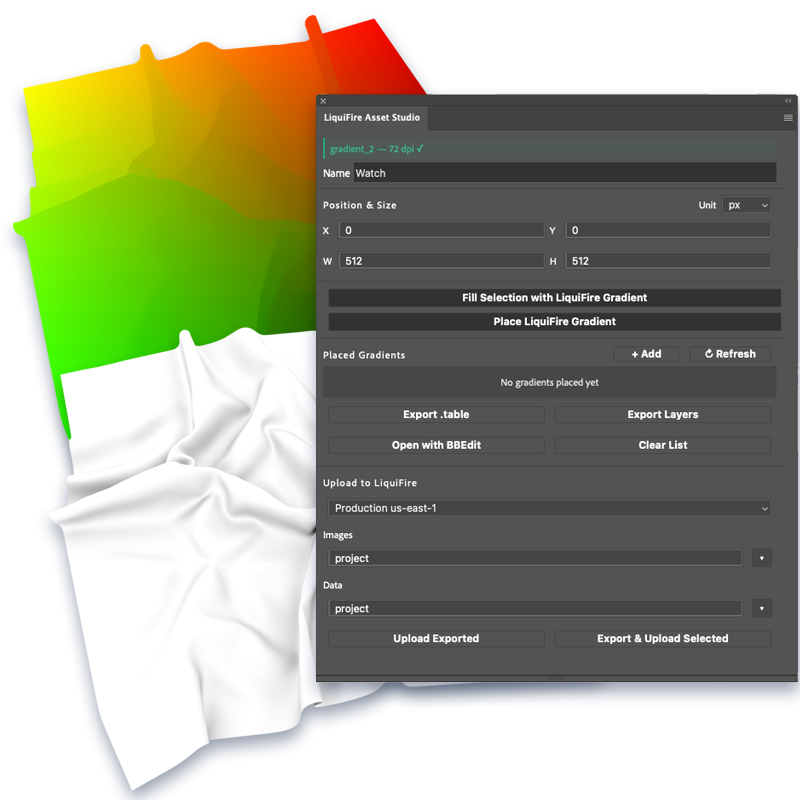
Structured asset preparation inside the tools your teams already use.
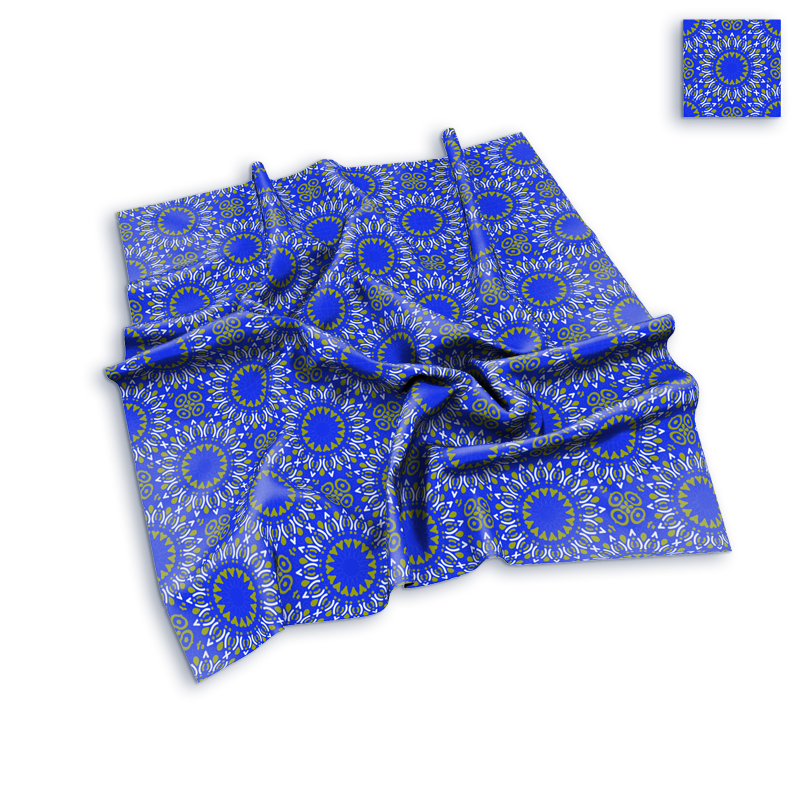
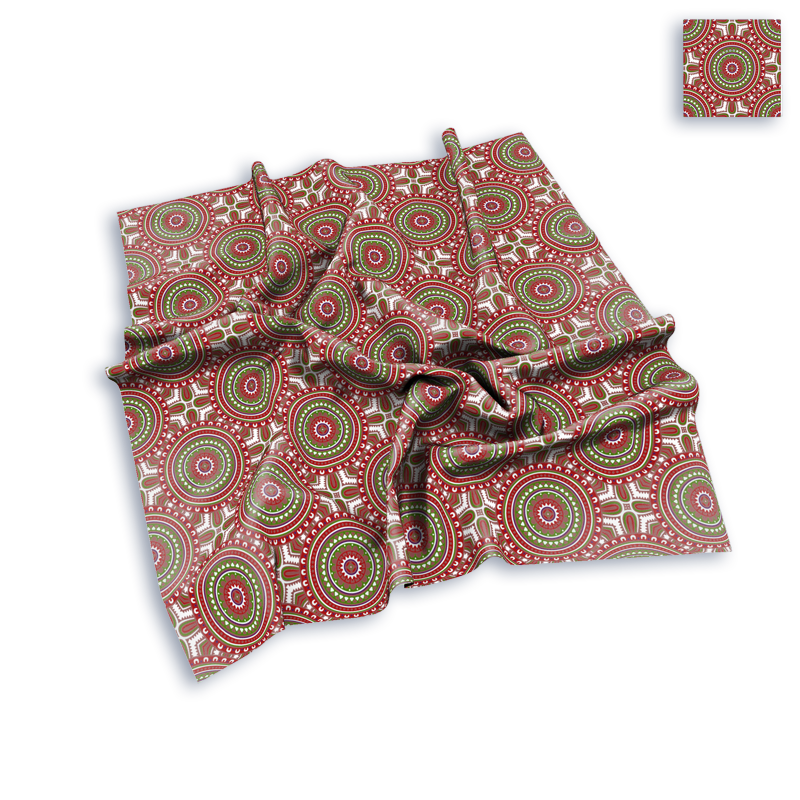
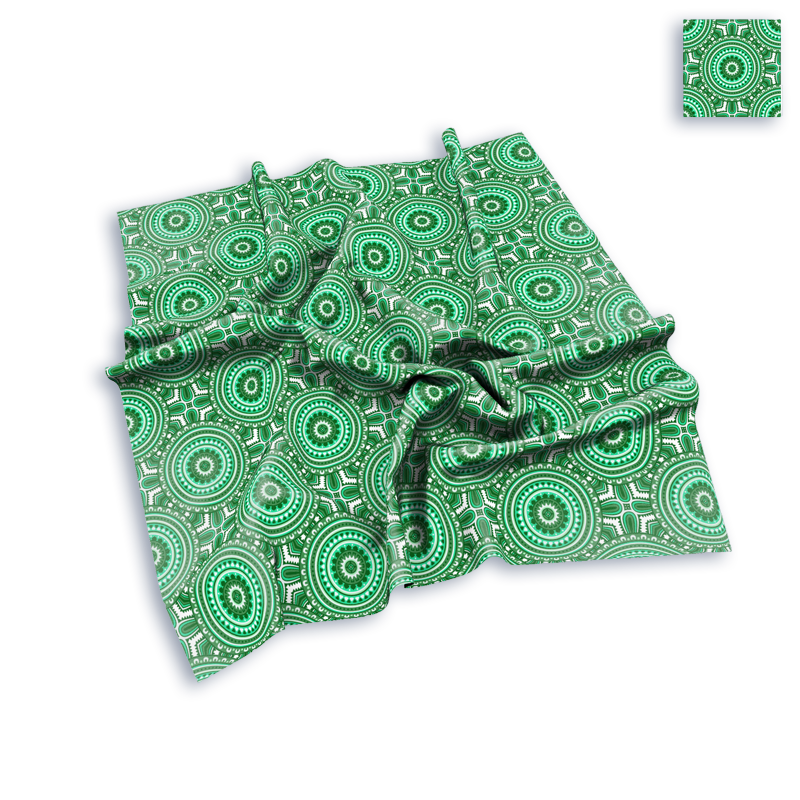
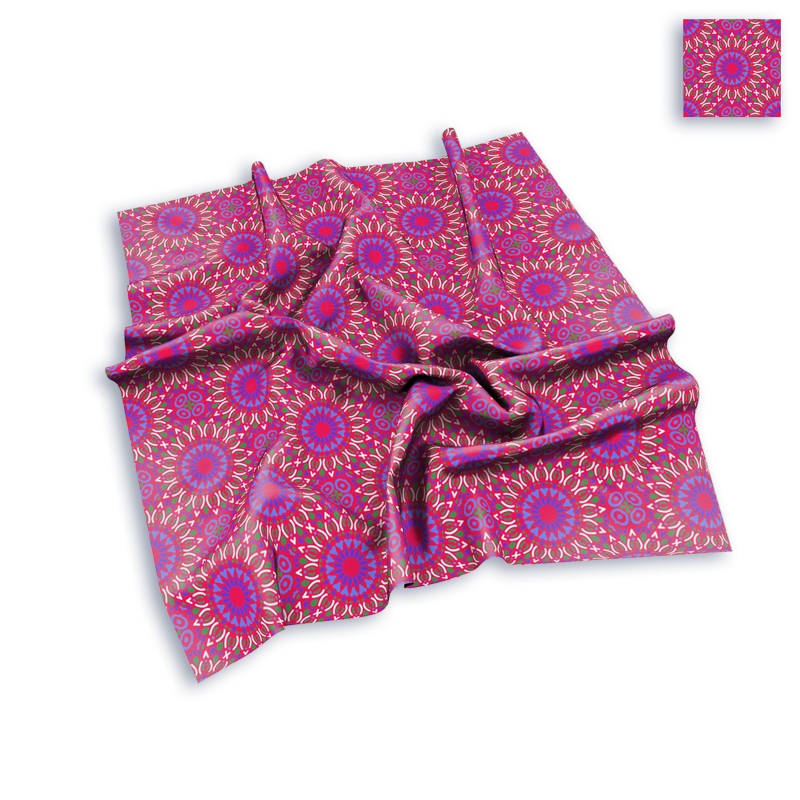
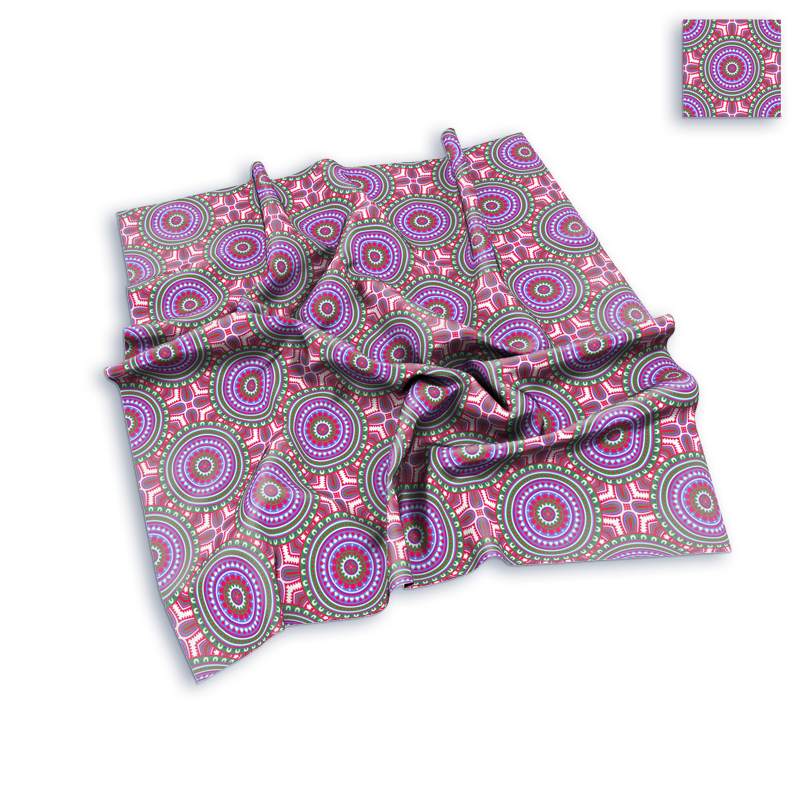
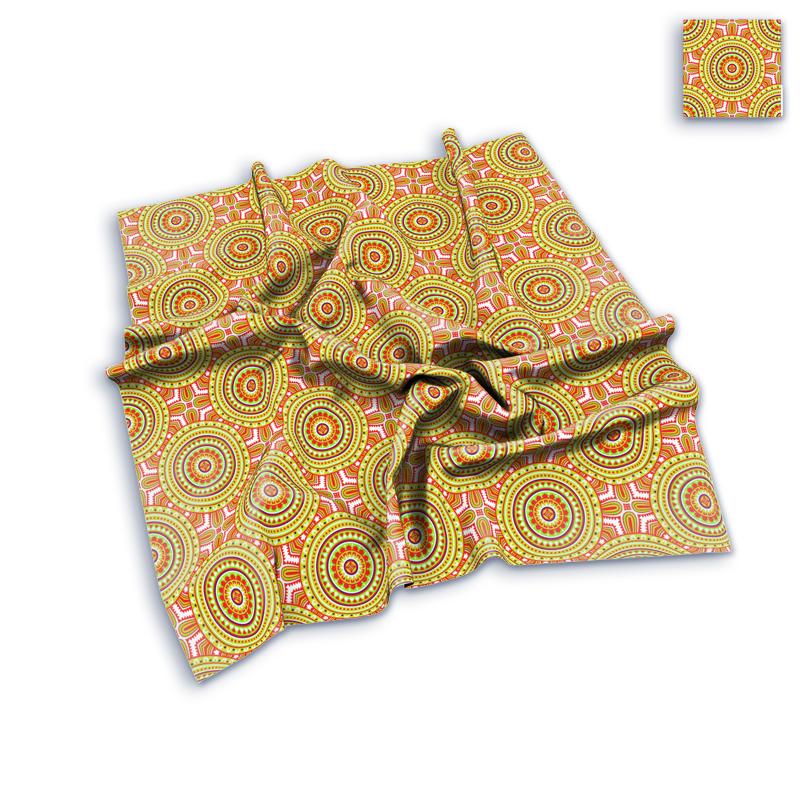
Six variants. One source asset. Generated in real time.
Knowing what to build is harder than building it.
Anyone can write a chain. Knowing whether a given product catalog warrants high-resolution compositing or pre-rendered variants, how data structure affects render latency at scale, where CDN caching strategy intersects with personalization logic — that requires a different kind of knowledge.
We have spent 25 years understanding how product data translates into rendering decisions. How asset resolution affects downstream performance. When a chain should render in real time and when it should pre-generate. How to structure a workflow so it remains maintainable as the catalog grows. That accumulated judgment is what shortens timelines, prevents rework, and produces implementations that hold up in production rather than just in a demo environment.
These are not abstract principles. They shape every decision in every phase of an engagement — from the data model review in discovery through to the caching architecture designed before a single product goes live. The seven phases described below are built on this foundation.
The right approach before development begins.
Chain design decisions made at the start of an engagement determine performance, maintainability, and extensibility for the life of the implementation. We make those decisions deliberately, not by default.
Resolution, format, and structure affect every render.
Asset preparation decisions made early compound across every downstream output. The wrong resolution strategy creates latency problems at scale. We design the asset architecture before the assets are produced.
Product data structure shapes the entire chain logic.
How product data is structured in the source system — ERP, PIM, CPQ — directly determines how efficiently it can drive dynamic rendering. We analyze data structure during discovery, not during debugging.
Designed for real delivery conditions, not test environments.
High-resolution compositing, personalization at scale, and CDN caching strategy interact in ways that are only visible under production load. We design for those conditions from the start.
Most implementations solve one end of the problem.
The customer sees a photorealistic result. What happens after that — how that result becomes a production file, a measurement record, a color specification, or a machine-readable instruction — is typically left to a separate workflow, a separate tool, or a manual step that sits outside the system entirely.
We design implementations that close that gap. A customer uploads a JPG, adjusts colors interactively, sees a photorealistic render of the embroidered result, and submits. Behind that interaction, the same chain that produced the visualization also converts the upload to vector, applies the correct stitch density and thread color mapping, generates the DST file the embroidery machine requires, outputs the order record with configuration values and measurements, and routes structured data to whatever downstream system needs it — a production floor application, an inspection workflow, an ERP, or a fulfillment system that was never designed to receive visual data directly.
That is not a theoretical capability. It is the difference between an implementation that ends at the screen and one that delivers ROI across the entire production chain.
Customer upload handling
Customers upload JPG, PNG, or other raster formats. The chain handles format validation, resolution assessment, color profile normalization, and conversion to the structured asset format the downstream rendering and production workflows require. No manual preprocessing step.
Vector conversion
Raster uploads converted to SVG or EPS for processes that require scalable output — embroidery digitizing, laser path generation, screen printing separation, or cut file production. Color simplification, path optimization, and stitch-count-aware reduction built into the chain, not outsourced to a manual step.
Photorealistic visualization for conversion
The customer-facing render and the production-facing file come from the same source. Embroidery stitch simulation, engraving depth preview, and print-accurate color rendering are not separate tools applied after the fact — they are outputs of the same chain that drives the configurator.
Production file translation
From the configured visual to the file the production application actually needs. DST or PES for embroidery machines. DXF or SVG for laser engravers and CNC. STL or OBJ with correct wall thickness and geometry for 3D printing. Print-ready PDF with correct bleed, safe zones, and CMYK color profiles for web-to-print. Each output type has specific technical requirements that must be designed into the chain from the start.
Downstream data output
Not every production-critical value lives in the CMS or CPQ. Customer configuration choices, measurements, material specifications, color references, and order-specific parameters need to reach production floor systems, inspection workflows, and fulfillment applications in a structured, processable format. The chain can carry and output that data alongside the visual file — as JSON, XML, CSV, or a structured record formatted for the receiving system — without requiring a separate integration layer.
Each production method has specific technical requirements that affect chain architecture from the first discovery session.
Thread count, stitch density, and color reduction from render to DST or PES. Getting this wrong means every output requires manual rework before it reaches the machine. We design the chain to produce inspection-ready embroidery files directly.
Grayscale depth mapping, DPI requirements, and material-specific contrast calibration. The visualization and the engraving file must be derived from the same source — not produced separately and reconciled afterward.
Mesh geometry, wall thickness, and support structure considerations that affect how a configured product renders visually versus how it prints physically. Configuration logic must account for both from the start.
Bleed, safe zones, color profile conversion from RGB to CMYK, and resolution at final print dimensions. A configurator that does not output a print-ready file creates a manual intervention at every single order.
Configurations, measurements, and customer-supplied specifications that need to reach production systems, ERPs, or inspection workflows in a structured format. Data output is a production file — it just does not look like one.
The full implementation lifecycle, end to end.
From the first discovery session to post-launch optimization, every phase has a defined objective and a measurable output.
Project Discovery
Discovery determines whether the implementation is right before it begins.
We analyze product structure, data sources, customer journeys, integration points, and content workflows. The output is a clear implementation architecture, asset strategy, and workflow design — agreed and documented before development starts.
2D and 3D Asset Preparation
Dynamic visualization is only as good as the assets behind it.
We support the preparation and structuring of 2D layered imagery, vector assets, materials, textures, and 3D models. Asset structure is designed for the rendering architecture, not retrofitted afterward. For larger catalogs, production scales through specialized workflows.
Global Asset Production Network
Large product portfolios require production capacity that scales without sacrificing consistency.
LiquidPixels works with a network of national and international partners specializing in bulk asset preparation, image production, vectorization, and 3D model creation — maintaining the structured asset libraries and quality standards the rendering architecture requires.
LiquiFire Chain Development
The chain is the implementation. Everything else supports it.
We design and develop chains that translate product data, configuration logic, and user input into visual output across web, mobile, print, and downstream workflows — with architecture, documentation, and source files to support long-term ownership by your team.
Platform Integration
LiquiFire is designed to integrate. We make sure it does.
We support integration with CPQ, ERP, PIM, DAM, ecommerce platforms, and custom applications through APIs and workflow integrations. The objective is that LiquiFire becomes part of the broader digital infrastructure — not a standalone tool with its own data overhead.
Knowledge Transfer and Documentation
The engagement ends when your team can run it independently.
We provide documentation, training, and structured knowledge transfer so internal teams, agencies, or integration partners can maintain, extend, and scale the platform over time. This is a defined deliverable, planned from the start of the engagement, not a formality at the end.
Workflow Optimization
Going live is the beginning of the performance conversation, not the end.
After implementation we work with customers to optimize performance, automation, asset management workflows, and content production processes — reducing production overhead, shortening time to market for new products, and making the platform work harder as the catalog grows.
Discovery determines whether the implementation is right before it begins.
We analyze product structure, data sources, customer journeys, integration points, and content workflows. The output is a clear implementation architecture, asset strategy, and workflow design — agreed and documented before development starts.
Dynamic visualization is only as good as the assets behind it.
We support the preparation and structuring of 2D layered imagery, vector assets, materials, textures, and 3D models. Asset structure is designed for the rendering architecture, not retrofitted afterward.
Large product portfolios require production capacity that scales without sacrificing consistency.
LiquidPixels works with a network of national and international partners specializing in bulk asset preparation, image production, vectorization, and 3D model creation.
The chain is the implementation. Everything else supports it.
We design and develop chains that translate product data, configuration logic, and user input into visual output across web, mobile, print, and downstream workflows.
LiquiFire is designed to integrate. We make sure it does.
We support integration with CPQ, ERP, PIM, DAM, ecommerce platforms, and custom applications through APIs and workflow integrations.
The engagement ends when your team can run it independently.
We provide documentation, training, and structured knowledge transfer so internal teams, agencies, or integration partners can maintain, extend, and scale the platform over time.
Going live is the beginning of the performance conversation, not the end.
After implementation we work with customers to optimize performance, automation, asset management workflows, and content production processes.
Structured around how your organization actually works.
Not every customer needs the same kind of engagement. We work across four models depending on where the organization is and what it needs.
Full Implementation and Handover
We build, document, train, and step back. The engagement has a defined scope, a defined timeline, and ends with your team in full ownership of the platform. Built for organizations that want to be self-sufficient after launch.
Retained Monthly Hours
A fixed allocation of hours available each month for ongoing chain development, optimization, or new capability. Predictable cost, no project overhead, direct access to the engineering team. Built for organizations that need continuous development capacity without a full-time hire.
Seasonal and Campaign Support
Scaled engagement around peak periods, product launches, or catalog refreshes. Activated when you need it, stood down when you do not. Built for organizations with predictable demand cycles and production workloads that concentrate around specific windows.
Team Extension
We operate alongside your existing team or agency as overflow capacity, providing chain expertise and production throughput. Built for organizations that have internal capability but need specialist depth for complex chain work or high-volume periods.
Herff Jones
Personalized products — United States
Herff Jones had a long-term plan to bring dynamic imaging to their website, but their product complexity was anything but standard. High school rings — deeply personal, endlessly configurable, and built to order — required a configuration tool that could keep up with every variation a customer might choose.
LiquidPixels built that tool from the ground up. As the engagement progressed and new product structures came into scope, the solution evolved with them — with functionality developed specifically for designs that didn't fit any standard pattern.
"LiquidPixels helped us bring dynamic imaging to our customers and offer them a genuinely customized experience."
Jolee Dawson, Product Manager, Herff Jones
From initial concept
to scalable visual infrastructure.
If you are evaluating LiquiFire for a production deployment, the right place to start is a direct conversation with our team.